
Masculinity in Crisis? Try in a Much Needed Revolution
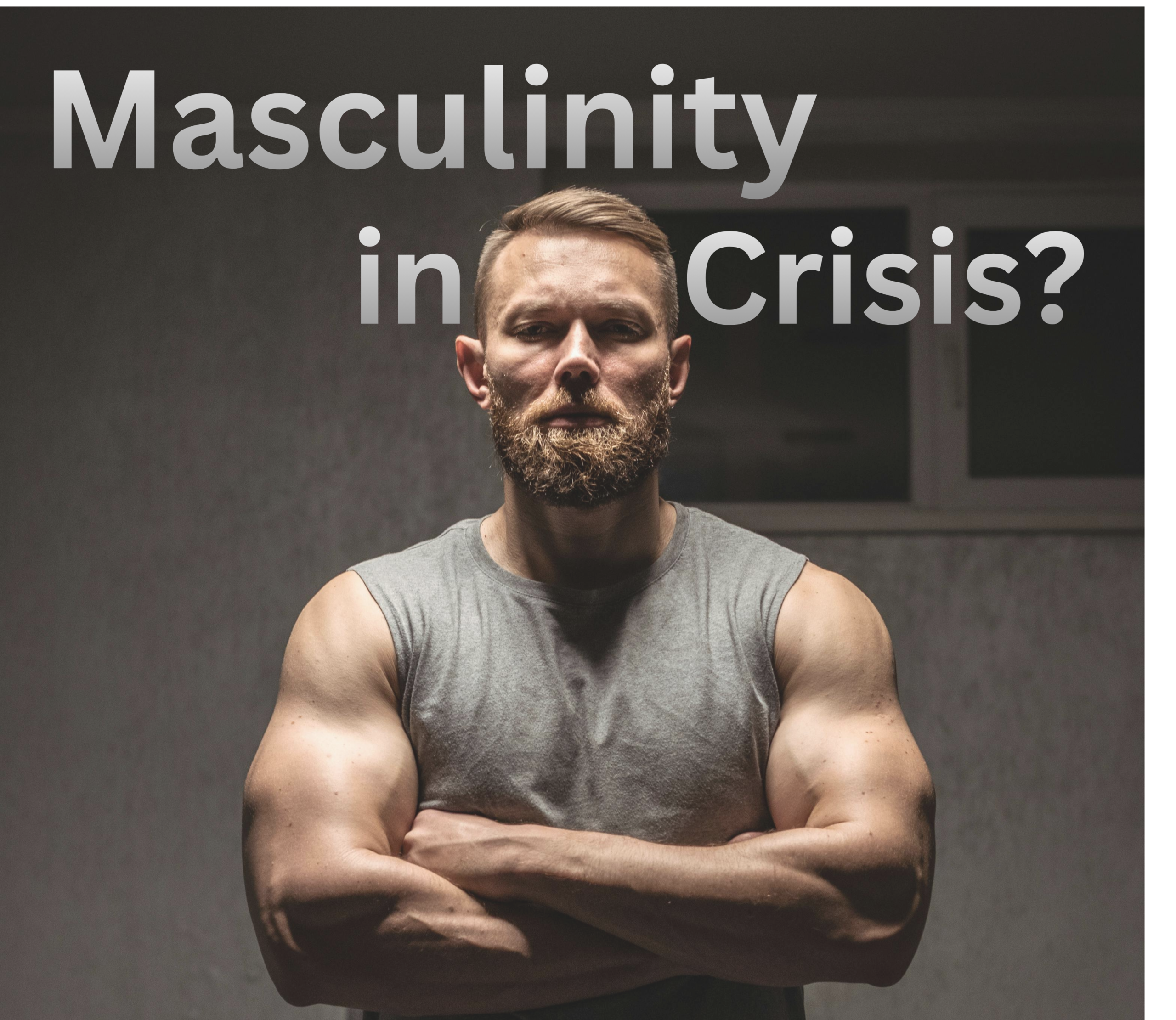
We’ve heard it before, “Men are in crisis!”
Then the demon causing this is identified and pointed out, but the bad person/people/group is always changing but so is masculinity. This crisis cry has been heard from senators like Josh Hawley, news anchor-turned-Secretary of Defense Pete Hegseth, among many others. While there may be some truth to these cries it isn’t for the purposes they claim. They think masculinity is in crisis because of what they call the “effeminization of men” but really it’s in crisis because most men no longer support the outdated misogynistic, toxic masculine, fraternal patriarchal hierarchies of the past. At its core, this is what they’re really afraid of… losing their boys club.
Masculinity as a construct
In 1991 Judith Butler made waves with their book, Gender Trouble, because they outline how gender, as opposed to sex, is a societal construction. Gender, Butler argues, is different from the sex of an individual. Sex is based on certain biological factors (which recent research also questions… but that’s for another article) while gender is the comportment or the “performance” of a set of socially accepted behavioral norms. Think, for example, about what you would get a couple who is having a baby shower for a boy versus for a girl. The sex of the baby determines a set of associations prescribed to that sex in the form of gender. So, if you know the couple is having a boy, you’ll most likely buy cute clothes in shades of blue, little baby Timberlands, maybe a shirt that says, “future heart breaker” or something of the sort. Most likely, there will be blue balloons at the shower, sports regalia, truck or car themes, etc. For a girl, there will most likely be pink and so on and so forth, you get the idea. It is these “norms” (short for normative (normal)), that create gender because they are generally arbitrary assignments solely based on one’s cultural tradition. Why is blue the color for a boy?
The norms translate into the way we interact with the world and becomes part of our identity. Understanding gender as a construct releases us from rigid pillars of acceptable behaviors, habits, and norms which have major impacts in how we show up in the world. I encourage you to take a look at how masculinity has been defined, and enforced, in your own culture. The men, allegedly in crisis, within the United States is this image of a stern person who is tough, built, never cries, protector, fighter, helpful but never in need of help, head of the household, objectifier of women, free to say what he wants, lover of all sports, and avoids/detests anything viewed as feminine (skin care, fashion, emotionally aware and available, quietly confident, and smart). Look, not all of this list is bad but that doesn’t matter. This limited list must be adhered to in its entirety or the person’s masculinity is questioned and challenged. That is why masculinity is in crisis when viewed from this perspective because we are the men who no longer see the need to engage in arbitrary societal rules/norms that dictate what masculinity is for us. Instead what makes the new man particularly manly is the refusal of the antiquated norms that lead to more harm than good. Nothing good can be gained from refusing to cry or refusing emotional availability to others, so on and so forth. The real harm comes from these antiquated norms and the societal shaming that attempts to enforce its rigid structure. This societal enforcement of masculine norms creates scenarios where male loneliness can thrive, teen suicide rates climb, and young men become confused because they’re being told to be masculine when they always thought they were by virtue of being a man.
The Actual Crisis
The actual crisis that surrounds men and masculinity is in its antiquated yet deeply entwined ideology that shapes it and much of the world that we know.
Male Loneliness
For a while now people have been talking about this male loneliness which has been exacerbated lately in part by the rise of large language models that pose as friends but mostly because of the restrictions antiquated masculinity has placed on young men. This comes from sources like those at the top of this article but also, and most importantly, from close circles of family and friends. The enculturation of young men into an antiquated and harmful version of masculinity continues through modeling and in traditional phrases like, “take it like a man,” “toughen up,” “there’s no crying in baseball,” “shake it off,” etc. These encoded messages signal that there is a way one is supposed to be but that doesn’t resonate (nor has it ever, really) with the young man. When these iterations continue it becomes exclusionary and isolating. Male loneliness is a problem and it has to be taken seriously but doubling down on ancient inscriptions of masculinity doesn’t cut it.
According to Charlie Health, a counseling organization especially for young men, loneliness affects young men in several ways. “Psychologically, prolonged loneliness can lead to heightened levels of stress, depression, and anxiety, as men may struggle to cope with their emotions in isolation. Cognitive and emotional challenges, such as difficulty concentrating and feelings of hopelessness, often accompany these mental health issues.”1 The list of harm continues with one of the most profound effects being feelings of suicide.
Teen Suicide
It’s surprising to me that a common trend today is a blurring of the word suicide. Perhaps it is meant as a sort of trigger prevention considering the violence that this usually entails. The devastating truth is youth suicide continues to rise. According to the American Foundation for Suicide Prevention, suicide is the second leading cause of death among young people ages 15-34. Of those, “Suicide-related deaths were four times higher among males compared to females.”2
There is a wide range of reasons why people choose self-harm and I don’t want to even attempt to contain the complexity of self-violence into simple statistics or any sort of universal cause. I list teen suicide here because as reported by Newport Institute two reasons young men attempt suicide is social isolation and cultural/societal expectations:
QUOTE:
Social Isolation
Young adult males may experience significant social isolation, especially during transitional life phases (e.g., moving away for college or starting a new job). Not having friends and family close by can lead to feelings of loneliness and despair.
Cultural/Societal Expectations
Societal norms often dictate that men should be strong and self-reliant, which can discourage them from expressing vulnerability or seeking help. Social media can also perpetuate the pressure to live a certain lifestyle, which can cause young men to feel “not good enough.”3
As a society, and as men who are at the forefront of this new masculinity, we are taking emotional, mental, and physical well being more seriously. If you know anyone who is thinking about suicide or is exhibiting worrying signs of withdrawal please call 988 within the United States to talk to a trained professional who can give you advice or talk to your friend, brother, lover, etc.
The list of ways in which the antiquated versions of masculinity continue to seek refuge in so-called influencers and tough guys is much much longer than this one. Share your thoughts in the comments below but I want to call out too how it often hurts women, the lgbtq+ community, communities of color and from marginalized backgrounds, etc. etc. Entire societies are built on the notion that the man is the highest power and is lord of the house but, we know better now and frankly, we don’t need that negativity messing with our aura.
In Revolution
We are here for change.
Men, masculinity, males, we’re going through a much needed revolution that allows us to be productive members of society that respect others and ourselves. The men I’m talking about value taking care of themselves and their communities, giving back rather than extracting, opening up emotionally to each other and for each other. We work hard to find solutions rather than contribute to problems. We dress nicely, smell delicious, and act with integrity. Instead of bonehead blind masculinity our drive is making this world, or our little portion, better day by day. We don’t worry about proving ourselves because the world we’ve built in community with others is more valuable than trivial pursuits.
Despite the positive general direction society has been headed with raising awareness of how words, deeds, and inactions can harm others, there are others who don’t see this as a good thing. They see it instead as “pussy footing” or softening of men as if the core of being masculine is in some sort of brute nature. As discussed here already, we know that the way we are in the world is determined by us but highly policed by society, including family and those we hold so close. Still, it is up to us to hold the line to keep toxicity from infecting the way we show up in our identities and instead give back to the community and those we love. Through thoughtful reflection on who we are as an individual and consistently thinking about others, we fashion our own self-care as reciprocal to caring for the community. It’s easy to do when we drown out the toxic voices telling us how we are supposed to be and instead live with intention.
Let us know your thoughts or how you show up for your community in the comments below!
Caleb
1 https://www.charliehealth.com/mental-health/depression/male-loneliness
2 https://afsp.org/suicide-statistics/ (accessed 5/13/2026)
3 https://www.newportinstitute.com/resources/mental-health/suicide-young-adult-males/ (Accessed 5/13/2026)



Pingback: Is it okay to enjoy non-traditional or ‘unmasculine’ hobbies? - Suede & Signal